 HOME
HOME BUSINESS DIRECTORY
 CLASSIFIEDS
 CALENDAR

 NEWS
NEWS SPORTS
 OPINION
 OBITUARIES


Nevada Department of Agriculture urges public to protect household pets
The Nevada Department of Agriculture (NDA) Animal Disease Laboratory has confirmed two positive cases of rabies in bats within the state since the beginning of the year. Positive detections occurred in big brown bats in Carson City and Washoe County.
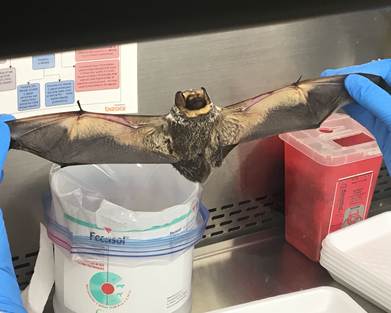
The Nevada Department of Agriculture Animal Disease Laboratory has confirmed two positive cases of rabies in bats within the state since the beginning of the year.
Bats are indigenous to Nevada, with their activity increasing during the months of May through October. On average, the Animal Disease Laboratory confirms between 10 and 20 cases of bat rabies annually. While rabies can occur in other wildlife species, bats are the primary source for transmission to humans and domestic animals, making it important to keep pets current on their vaccinations and prevent any contact with wildlife.
“Maintaining up-to-date rabies vaccinations for pets is extremely important this time of year,” said NDA State Veterinarian Peter Rolfe, DVM. “Vaccinating dogs and cats not only safeguards the health of these animals but also provides a vital layer of protection for their owners. Unvaccinated animals exposed to rabies face mandatory euthanasia, highlighting the necessity of consistent vaccination.”
Nevada state law mandates current rabies vaccination for dogs, cats and ferrets. Vaccinations are also available for certain species of livestock. Animal owners are urged to work with their veterinarians to establish and maintain a vaccination schedule for their animals.
Bats can enter and exit homes undetected. Any bat, dead or alive, that may have been in contact with people or domestic animals should be reported immediately. It is crucial that individuals contact their local animal control agency before attempting to pick up a bat.
“If you or your animals have had contact with any bats, contact your local health care professional or veterinary provider immediately,” advised Dr. Rolfe.Individuals can learn more about rabies and the proper steps to take in the case of a possible exposure on the Centers for Disease Control and Prevention website at cdc.gov/rabies, or through Northern Nevada Public Health or Southern Nevada Health District.
Leave a Reply